When an old roof is removed, the roofing team may find worn underlay, corroded flashings, rusted fixings, previous patch repairs, damaged timber, or asbestos-containing materials. In many Auckland homes, however, the underlying structure is still sound, and only limited repairs are needed before the new roof is installed.
A proper reroofing assessment helps separate minor issues from problems that genuinely need attention.
If your Auckland home has recurring leaks, widespread rust, cracked roofing, or an ageing decramastic roof, removing the existing roof can reveal the true condition of the roofing system before new material is installed.
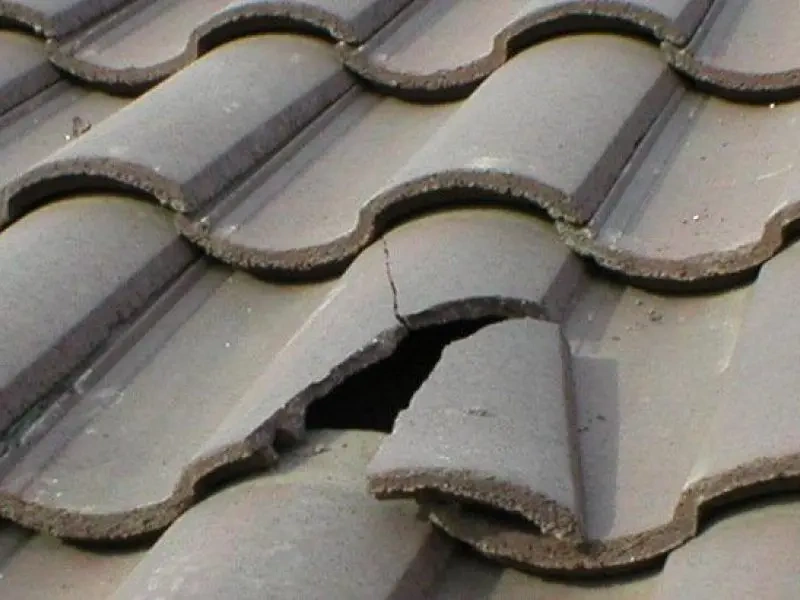
Older Auckland roofs have been exposed to decades of moisture, wind, condensation, corrosion and previous repair work.
This is particularly relevant for homes built during the 1960s, 1970s, 1980s and 1990s, including many properties across the North Shore and West Auckland.
Over time, an older roof may have been patched, altered or repaired using different materials. Some of these issues are difficult to see from ground level.
Once the old roofing is removed, the roofing team can inspect the underlying structure and identify what actually needs attention.
Once the existing roof covering is removed, the timber framing and supporting structure become much easier to inspect.
In many homes, the framing remains in good condition.
In others, there may be evidence of:
Finding one damaged area does not necessarily mean the entire roof structure needs replacing.
The important question is whether the damage is localised or widespread. A proper roofing assessment should establish that before the new roof goes on.
The roof covering is only one part of the roofing system.
Older underlay can become brittle, torn or damaged around roof penetrations. It may also no longer perform as intended.
During a reroof, removing the existing roofing gives the team an opportunity to inspect the underlay and other concealed components properly.
Where necessary, damaged materials can then be replaced before the new roofing is installed.
An older metal roof can sometimes look better from the ground than it actually is.
Once the roofing is removed, corrosion may be more obvious around:
Roof Repair Specialists carries out Auckland reroofing services that include converting older decramastic roofs to long-run COLORSTEEL, as well as replacing heavily corroded long-run roofing.
This is why reroofing is more than simply installing a new surface over an old one.
Decramastic roofs are particularly common on older New Zealand homes.
They consist of pressed steel tiles with a stone-chip surface. As the coating deteriorates, the underlying steel can become exposed to the weather and begin to corrode.
Common warning signs include:
Decramastic tiles were widely used on New Zealand homes from the 1960s to the 1980s, so many are now approaching or beyond the end of their useful life.
If only a few tiles are damaged and the rest of the roof remains sound, repairs may provide more time.
If rust is widespread, leaks continue to return, or stone chips are missing across large areas, replacing the decramastic roof with long-run COLORSTEEL may be the more cost-effective long-term option.
Roof Repair Specialists carries out decramastic conversions to long-run COLORSTEEL as part of its reroofing work.
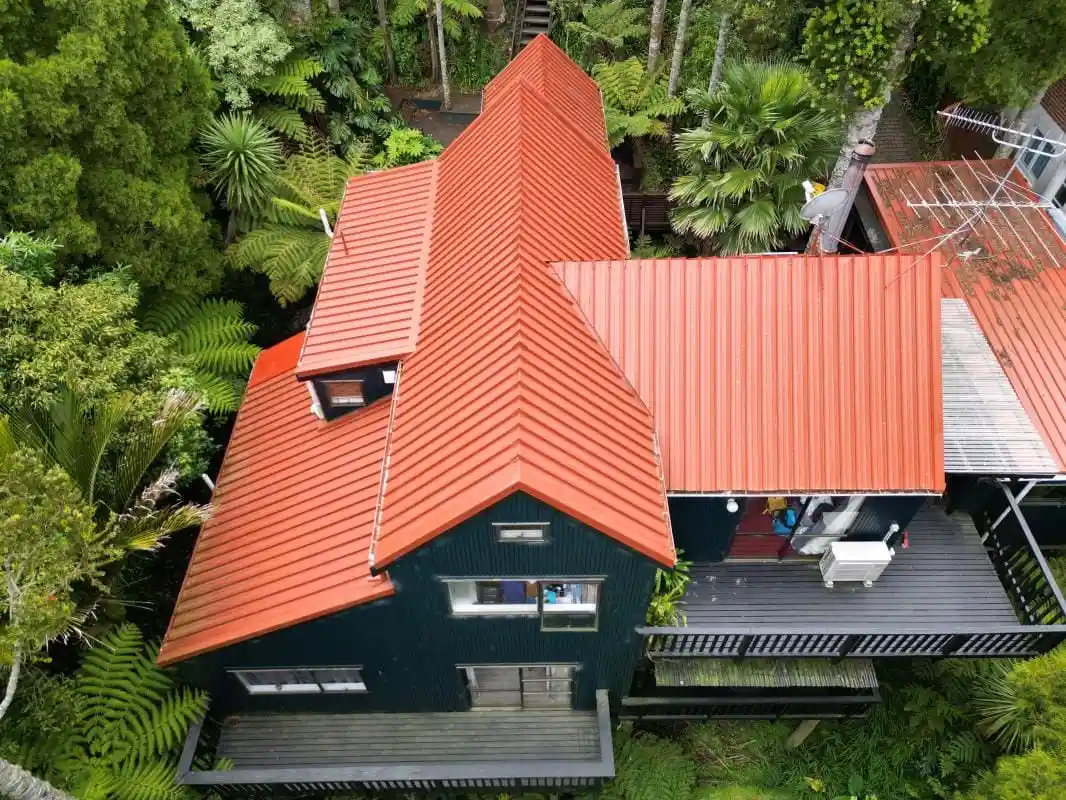
Some older Auckland properties may contain asbestos-containing materials.
WorkSafe states that buildings constructed before 1 January 2000 are more likely to contain asbestos-containing materials, although the age of a building alone cannot confirm whether asbestos is present.
Asbestos can occur in older fibre-cement roofing sheets and may also be present in some flashings, soffits and other building materials.
You cannot reliably confirm asbestos simply by looking at it. Testing is required.
Do not disturb suspected asbestos roofing yourself.
In New Zealand, removing more than 10 m² of non-friable asbestos requires an appropriately licensed asbestos removalist. Friable asbestos requires a Class A licence regardless of quantity.
The correct approach depends on:
Where asbestos-containing material is identified, the reroofing project may require additional planning and specialist removal before roofing work continues.
Flashings are among the areas most exposed to weather and water movement.
Around chimneys, valleys, vents, edges and other roof penetrations, older flashings may be:
A reroof provides an opportunity to replace or upgrade failing flashings rather than installing new roofing around components that may already be causing leaks.
Older roofs often show the history of years of maintenance.
Once the roofing is removed, the team may find:
Some of those repairs may have been entirely appropriate when they were carried out.
However, once repairs have accumulated over many years, continuing to patch the roof may no longer be the most economical option.
A reroof allows the roofing system to be assessed as a whole.
On the reroof of a 1970s home in Torbay, the existing decramastic roof had reached the end of its life, with stone-chip loss and rusting steel.
The team stripped the old tiles and battens back to the framing, replaced damaged purlins, installed long-run COLORSTEEL and fitted new flashings, spouting and downpipes.
The job was completed in four working days.
See the full Decramastic tile to COLORSTEEL reroof in Torbay case study.
Not necessarily.
A minor issue may only need a localised repair.
A more significant problem may require additional work before the new roof can be installed.
The purpose of inspecting beneath the old roof is to identify these issues before the new roofing is completed.
A good assessment should distinguish between:
What needs fixing now
and
What can safely remain as it is.
A typical reroof usually follows six main stages:
Spouting, flashings, and insulation should also be reviewed where relevant as part of the overall roofing system.
Before committing to a reroof, ask:
These questions can make it much easier to understand the scope of work before the project begins.
No.
An older home does not automatically mean the roof structure is badly damaged.
In many cases, the timber structure remains in reasonable condition even when the roofing material itself has reached the end of its serviceable life.
Reroofing gives the team an opportunity to assess the complete roofing system rather than continuing to patch an ageing surface.
For homes in areas such as Glenfield, Albany, Browns Bay, Rosedale, Henderson, Massey and wider West Auckland, the right solution depends on the actual condition of the roof.
Roof replacement is generally worth investigating when problems are widespread rather than isolated.
Common signs include:
If the roof is structurally sound and the problems are isolated, repair or restoration may still be the better option.
A roof replacement in Auckland is generally worth considering when the roof is leaking and is beyond a practical, cost-effective repair, or when its expected remaining life is less than 10 years.
As a broad guide:
| Roofing Service | Typical Cost |
|---|---|
| Roof Repairs | $1,000 – $5,000 |
| Roof Painting | $3,000 – $15,000 |
| Reroofing / Roof Replacement | $15,000 – $50,000 |
The actual cost depends on factors such as roof size, pitch, access, material, the extent of deterioration, and any additional work identified once the old roof is removed.
For a more detailed breakdown of pricing factors, see our guide to roof replacement cost in Auckland.
If the roof is still structurally sound, it may also be useful to compare roof painting and roof replacement before deciding on the most suitable next step.
A good roofing assessment should explain when reroofing is justified and when repair or restoration remains the more practical option.
You cannot tell by looking alone. A sample needs to be tested by an accredited laboratory. If your home was built before 2000 and contains fibre-cement roofing or another material suspected of containing asbestos, arrange testing before the roof is disturbed or removed.
Yes. Some older Auckland homes may contain asbestos-containing materials. WorkSafe says buildings constructed before 1 January 2000 are more likely to contain asbestos-containing materials. Suspected asbestos should be assessed and managed properly rather than disturbed.
The affected area should be assessed to determine whether a localised repair or more extensive work is required before the new roof is installed. Any additional work should be explained before it proceeds.
Yes. Decramastic conversion to long-run COLORSTEEL is one of the reroofing options offered by Roof Repair Specialists.
No. If the roof is fundamentally sound and the problems are isolated, repairs or restoration may still be appropriate. Full replacement is generally considered when leaks continue, the roof is beyond practical repair or its expected remaining life is less than 10 years.
Yes. A professional assessment can help determine whether the roof needs repair, restoration, or complete replacement before you commit to the work.
Removing an older roof can reveal issues that simply cannot be seen from the driveway.
That may include deteriorated underlay, failing flashings, corrosion, previous repairs, or sections of timber that require attention.
It can also confirm that the underlying roof structure is in good condition and ready for a new roof.
For older Auckland homes, particularly in central and North Shore suburbs such as Ponsonby, Parnell, Mt Eden, Devonport, and Birkenhead, the best approach is to assess the roof as a complete system rather than judging it only by its appearance from outside.
Established in 2014, Roof Repair Specialists has a proven track record and customer reviews, is LBP licensed, and is a member of the Roofing Association of New Zealand. The team can assess your Auckland roof and provide a clear view on whether repair, painting, or full replacement is the sensible option.